
Ever wondered about the differences between Yin yoga, yoga and Pilates – or the benefits of Yin yoga? Let me explain …
What is Yin yoga?
Yin yoga is a slow-paced, gentle style of yoga where you hold mostly seated or lying poses for several minutes at a time. It focuses on relaxing the muscles and gently working into deeper connective tissues, such as fascia and ligaments, rather than building strength or heat. Yin yoga combines stillness, breathing and awareness to help improve flexibility, mobility, relaxation and mindfulness.
The term “Yin yoga” comes from the ancient Chinese Taoist philosophy of “Yang” and “Yin”. Yang relates to movement that’s often repetitive and creates heat in the body: for instance, running and cycling are yang activities. On the other hand, Yin is about stretching and cooling the body, finding stillness and calming the mind.
Our bodies are made up of yang and yin tissues. Muscles are yang, so need yang activity while longer, static holds benefit yin tissue (in other words, the fascia and connective tissue that I often talk about in class). We need the combination of yang and yin to keep our joints healthy, and for the body to remain in optimum condition.
What’s the difference between Yin yoga and yoga?
You’ve probably heard of some of the different types of yoga, ranging from Hatha yoga (focuses on breathing, basic postures and relaxation) to Ashtanga yoga (physically demanding and with a set sequence of postures) to Bikram yoga (practiced in a heated room, again following a set sequence of postures – also known as “hot yoga”). These last two types of yoga are very yang … however, only focusing on the yang can cause fatigue and burnout.
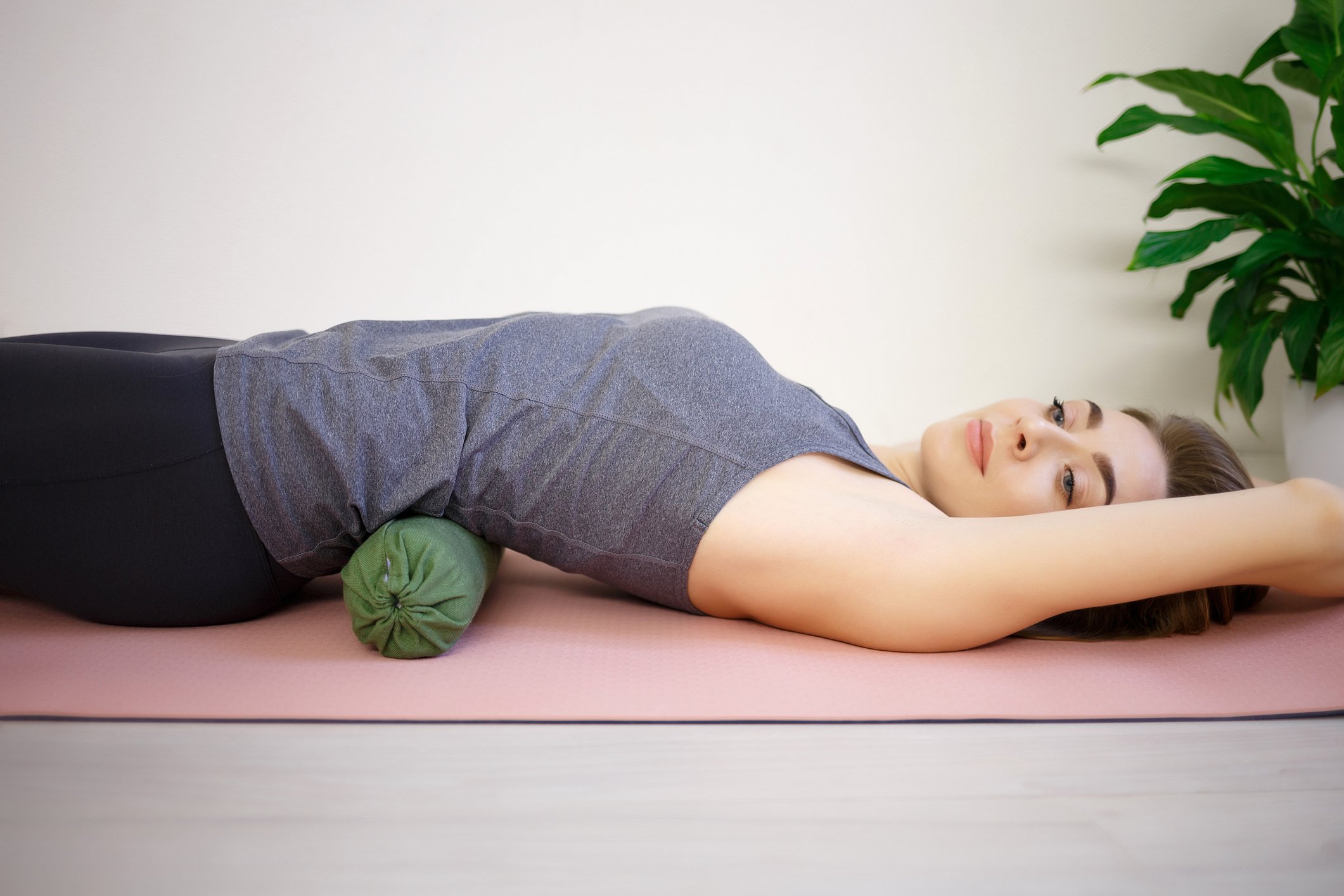
Yin yoga is a gentle, slow-paced and meditative form of yoga, mostly practised sitting or lying on the floor. Unlike dynamic Yang types of yoga, Yin yoga targets deep connective tissues, including fascia, ligaments, tendons and joints, to increase circulation and improve mobility.
There are no planks, no standing poses and no dynamic sun salutations. Instead, you can expect poses that focus on areas where there is a joint (hips, pelvis, inner thighs, lower spine); these are held for at least five minutes so that the tissues can be stretched and lengthened and become stronger.
What are the differences between Yin yoga and Pilates?
Yoga stems from ancient Taoist traditions focused on mindfulness and energy flow: Yin yoga is still and passive, encouraging you to relax into gravity. Mostly based on poses and positions held in place for up to five minutes, Yin yoga is a very effective way to open tight hips and hamstrings – but also helps with mental wellness.
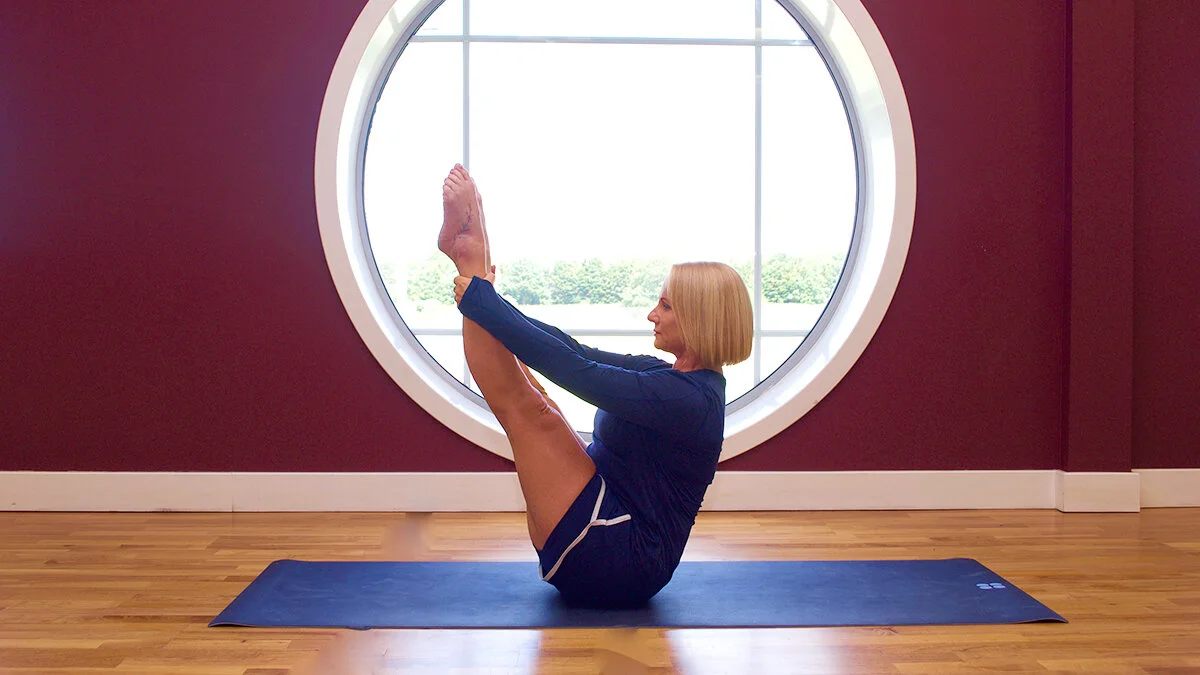
Pilates is a physical conditioning method developed by Joseph Pilates in the early 20th century. Like Yin yoga, mat Pilates is also a low-impact form of exercise but it instead focuses on building stability, posture and muscular strength using controlled, repetitive movements.
What are the benefits of Yin yoga?
Some common benefits of Yin yoga include:
Deep relaxation — encourages the nervous system to slow down.
Improved flexibility — long-held poses can gently increase range of motion.
Joint mobility — may help maintain healthy movement around the joints.
Stress reduction — combines stillness, breathing, and mindfulness.
Better sleep — the calming nature may help you unwind before bed.
Greater mindfulness — teaches you to notice sensations and thoughts without reacting to them.
Gentle circulation and tissue stimulation — sustained poses place mild stress on connective tissues
Is Yin yoga suitable for everyone?
Yes – Yin yoga was actually developed by teachers for meditation students who found it too painful or difficult to sit on the floor for a long time. It’s suitable for people of all ages and from complete beginners to athletes. (As with any form of exercise, caution is needed if you have certain medical conditions, joint issues or are pregnant.)
What equipment do I need for a Yin yoga class?
Yin yoga only requires a mat and props like yoga blocks or bolsters to support your body and create a sense of ease, allowing you to relax more deeply into the pose without unnecessary muscular effort. Once you feel fully supported, you can allow yourself to come into stillness and remain in the pose – you may experience a deep sensation that encourages a gentle stretch through the fascia and ligaments.
As the pace is slow, it’s advisable to wear comfortable, warm clothes and maybe keep your socks on.
Come to a Yin stretch with sound bath relaxation workshop!
I run a monthly workshop at The Learning Hub & Yard, Chiswick House, together with Charlie Merton, founder and director of Nadapriya Yoga and Therapies.
During this completely unique and immersive experience, I teach Yin stretch while Charlie creates an enveloping and healing soundscape. It’s a truly magical journey into deep relaxation and balance, culminating in a guided meditation, to leave you feeling calm, grounded and restored.
For details of my classes or my Chiswick House events, please get in touch.

